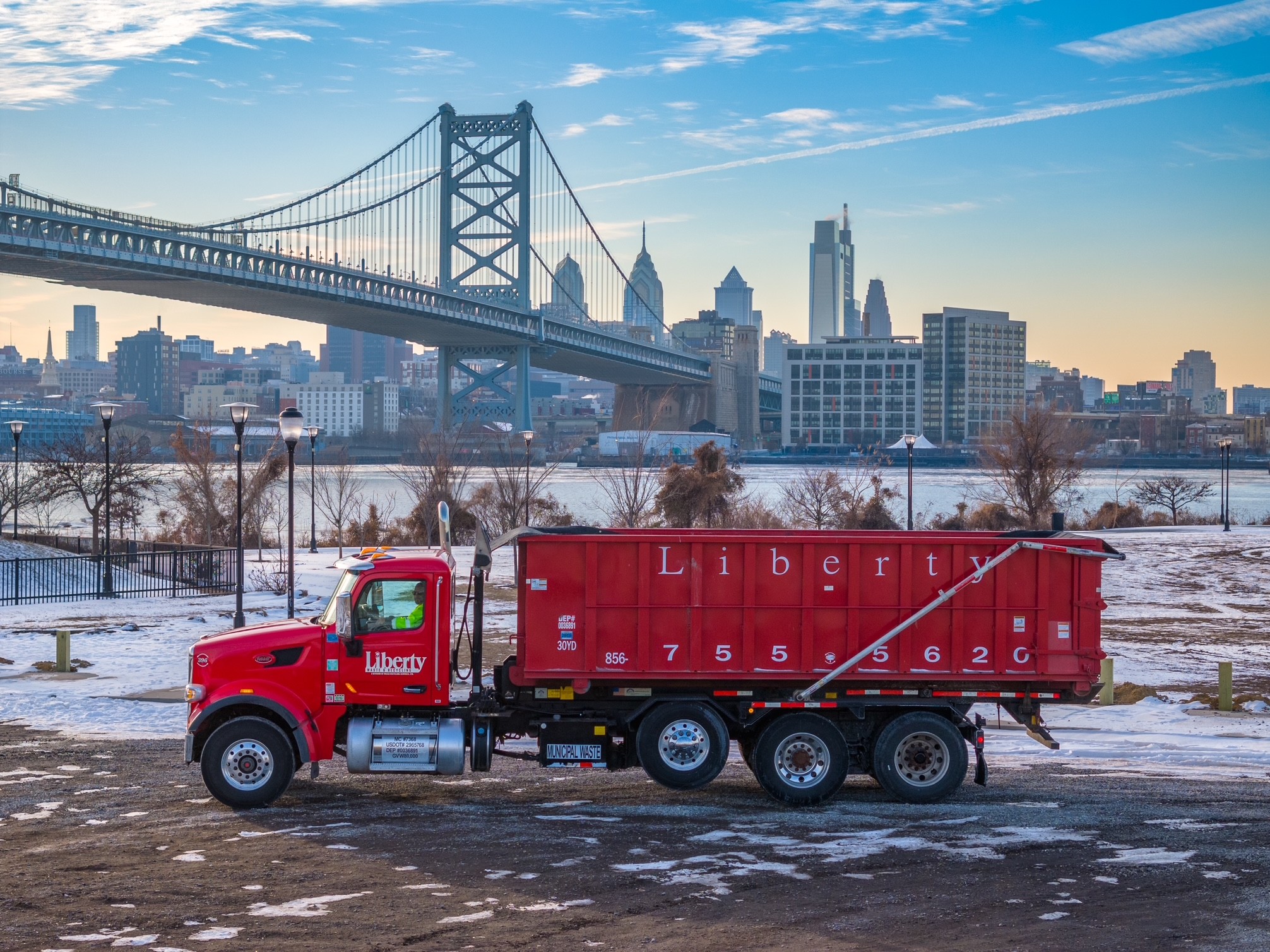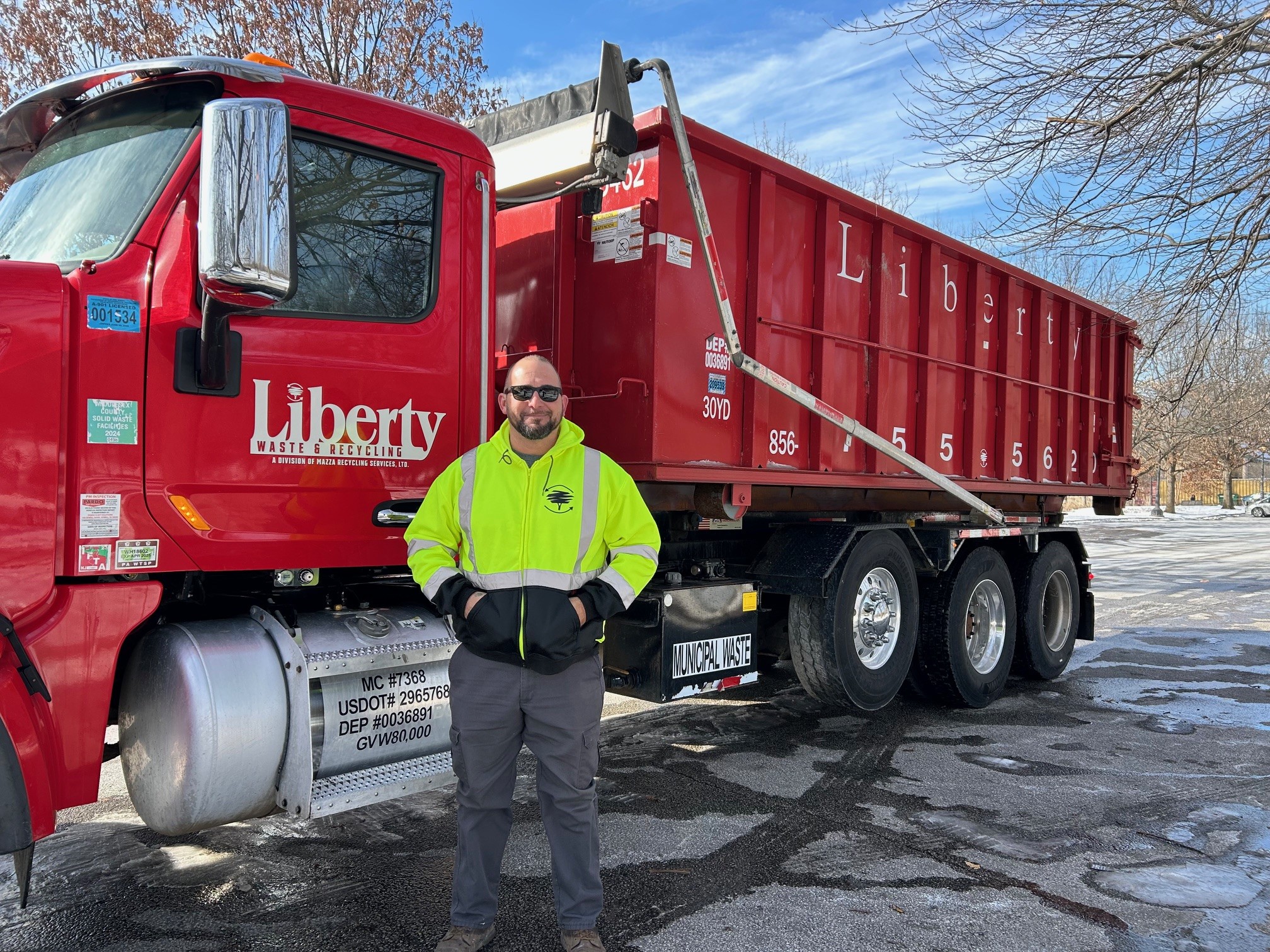
Planning a home renovation, clearing out a cluttered garage, or managing a commercial construction project…
Tackling a major cleanout, renovation project, or landscaping overhaul requires a clear plan for managing waste and debris. Whether you are clearing out an attic in Mount Laurel, updating a commercial property in Moorestown, or tackling a residential renovation in Evesham, securing a roll-off container simplifies your cleanout from start to finish.
Navigating municipal guidelines, choosing container dimensions, and balancing weight limits across New Jersey’s largest county can feel daunting if you are unfamiliar with the process. This comprehensive guide walks you through the essential steps to secure a reliable container, avoid unexpected overage fees, and keep your project on schedule.
1. Estimate Your Waste Volume and Select the Right Container
Choosing the ideal container capacity is the first step in organizing your rental. Roll-off containers are measured in cubic yards, representing the volume of material they hold. Selecting a bin that matches your workload prevents the hassle of ordering a second unit mid-project or paying for empty space.
- 10-Yard Dumpster: Measures roughly 12 to 14 feet long, 8 feet wide, and 3.5 feet high. It holds approximately 3 to 4 pickup truck loads of debris. This compact unit works best for minor basement cleanouts, small bathroom updates, single-room carpet removal, or yard waste.
- 15-Yard Dumpster: Measures about 16 feet long, 8 feet wide, and 4.5 feet high, accommodating roughly 4 to 6 pickup truck loads. It is ideal for medium-sized decluttering projects, small kitchen remodels, or roof replacement projects on small homes.
- 20-Yard Dumpster: Measures around 22 feet long, 8 feet wide, and 4.5 feet high. Holding about 6 to 8 pickup truck loads, this versatile size handles multi-room cleanouts, deck removals, flooring upgrades, and moderate home construction.
- 30-Yard Dumpster: Measures approximately 22 feet long, 8 feet wide, and 6 feet high, carrying up to 9 to 10 pickup truck loads. It is built for major home additions, estate cleanouts, siding replacements, and full commercial remodels.
- 40-Yard Dumpster: Measures around 22 feet long, 8 feet wide, and 8 feet high, accommodating 12 pickup truck loads. This size is designated for major construction, whole-house demolition, and large commercial cleanouts.
When choosing between two sizes, opt for the larger capacity. Upgrading to a larger bin costs far less than paying for an extra delivery and pickup if your original container overflows.
2. Understand Local Waste Regulations and Materials Restrictions
Before loading your bin, familiarize yourself with standard disposal guidelines. Municipal solid waste facilities enforce strict rules regarding prohibited items to meet state environmental laws and safety codes.
Common items allowed in standard roll-off containers include:
- Household items like old furniture, clothing, cardboard, and general junk.
- Construction debris such as drywall, framing lumber, cabinetry, tile, and subflooring.
- Roofing materials including asphalt shingles, felt paper, and trim boards.
- Yard waste like branches, leaves, brush, and shrub trimmings.
Prohibited items that cannot be mixed into standard waste streams include:
- Hazardous materials, liquid paint, oil, solvents, and motor fluids.
- Car batteries, lithium-ion batteries, and industrial chemicals.
- Refrigerants, Freon units, air conditioners, and appliances containing toxic gases without certified purging.
- Tires, propane tanks, and medical waste.
Reviewing banned materials before loading ensures your waste can be processed at regional transfer stations without incurring extra handling charges or rejected loads.
3. Plan Around Weight Limits and Tonnage Allowances
Every roll-off container comes with a specific weight limit included in the rental price. Disposal facilities calculate charges by measuring the truck’s weight on high-capacity scales before and after unloading your container.
Heavy items rapidly consume your tonnage allowance even if the container appears only half full. High-density debris includes:
- Concrete, brick, cinder blocks, and masonry.
- Asphalt shingles, plaster, and thick ceramic tiles.
- Dirt, rock, sand, and soaked yard waste.
When renting, ask your provider for a transparent quote detailing the included weight limit and the exact cost per ton for any excess weight. If you plan to dispose of heavy masonry or soil, ask about specialized heavy-material bins, which often carry flat-rate weight terms specifically designed for dense materials.
4. Check Permit Requirements for Local Placement
Where you place your bin determines whether you need a municipal permit before delivery day.
Driveway Placement
Placing the unit on private property—such as a concrete, brick, or asphalt driveway—generally does not require a permit in most Burlington County towns. However, because steel containers and heavy haul trucks exert significant pressure, place sturdy wooden planks or plywood along the driveway floor where the container wheels rest to protect the surface from scuffs and cracks.
Street and Public Right-of-Way Placement
If driveway space is unavailable and the bin must sit on a public street, curb line, or sidewalk, you will likely need a temporary right-of-way permit from your local township clerk or public works department. Rules vary by town, with some requiring warning cones, safety tape, or night reflectors on the bin. Securing this permit a few days before delivery prevents project delays and municipal fines.
5. Prepare the Drop-Off Location for Smooth Delivery
Preparing the site ahead of time guarantees a seamless drop-off experience for the delivery driver. Roll-off delivery trucks are large commercial vehicles that require ample maneuverability.
To prepare the site effectively:
- Clear the placement area of vehicles, trailers, sports equipment, and trash cans.
- Ensure a clear path with at least 60 feet of straight approach space for the truck to back into position.
- Verify vertical clearance, keeping the drop-off zone free of low-hanging tree limbs, power lines, and roof overhangs (drivers need 23 to 25 feet of overhead clearance to tilt the truck bed).
- Mark the exact placement area with safety cones or wood boards if you cannot be on-site during delivery.
6. Utilize Smart Packing Techniques to Maximize Space
Packing your bin efficiently allows you to fit more waste into a single container while keeping the load safe for road transit.
- Load Heavy Items First: Place heavy, bulky items like flat furniture, appliances, and large timbers on the bottom to establish a flat, stable foundation.
- Break Down Larger Structures: Disassemble furniture, crush cardboard boxes, and chop up branches to eliminate dead space.
- Fill In Open Cavities: Toss smaller items, garbage bags, and loose debris into gaps around larger furniture pieces to maximize volume.
- Keep Materials Level: Pack debris evenly across the bin rather than mounding it in the center or piling it high along one wall.
- Do Not Overfill Past the Rim: Debris must remain below the top edge of the container walls. Federal and state transport laws require drivers to cover containers with a tarp before driving on highways. Overfilled bins must be unloaded down to the top rim before transport, which can trigger delay fees.
7. Account for Weather and External Conditions
Seasonal conditions in Southern New Jersey can impact your rental timeline and overall weight. Rain, snow, and ice add extra weight to absorbent materials like drywall, mattresses, sofas, carpet, and untreated lumber.
To prevent water accumulation from adding unwanted weight to your total load:
- Cover the open top of the container with a heavy-duty waterproof tarp secured with bungee cords during rainstorms or snowfall.
- Keep the rear loading door tightly latched when not actively loading material to prevent water from pooling at the base.
- Ensure the placement surface remains clear of deep mud or soft ground, which can cause the container wheels to sink under heavy loads.
8. Schedule Pickups and Swaps Promptly
Managing your timeline effectively keeps project costs low and clears your driveway quickly. Standard rental periods usually range from 7 to 14 days, providing plenty of time to finish your work.
Once your container is full or your cleanout is complete, contact your service provider to schedule a retrieval pickup. If your project produces more waste than anticipated, request a “swap-out” service, where the driver collects the filled bin and drops off a fresh, empty unit in a single visit. Early scheduling prevents filled containers from lingering on your property longer than necessary.
Streamline Your Next Waste Disposal Project
Renting a container does not need to be complicated or stressful. By selecting the correct container size, reviewing local permit guidelines, protecting your driveway, and packing your waste efficiently, you can manage any residential or commercial cleanup with confidence.
When you are ready to book your next project container, partner with local waste professionals who provide clear pricing, flexible scheduling, and reliable service. For fast delivery and clear terms on your next project, rely on local experts for dumpster rentals in Burlington County to keep your property clean and your project on schedule.
Ready to book your dumpster rental? Follow the link here: START DUMPSTER ORDER
Related Posts