Recycling has evolved significantly over the last decade, transitioning from a tedious chore involving multiple…
Recycling has come a long way. Gone are the days of spending hours sorting your glass, paper, and plastics into separate bins. Today, the standard for convenience and efficiency is single stream recycling. If you live in Eastern Pennsylvania or Delaware County, understanding how to use this system correctly is the most effective way to help your community reduce waste and protect our local environment.
What Is Single Stream Recycling?
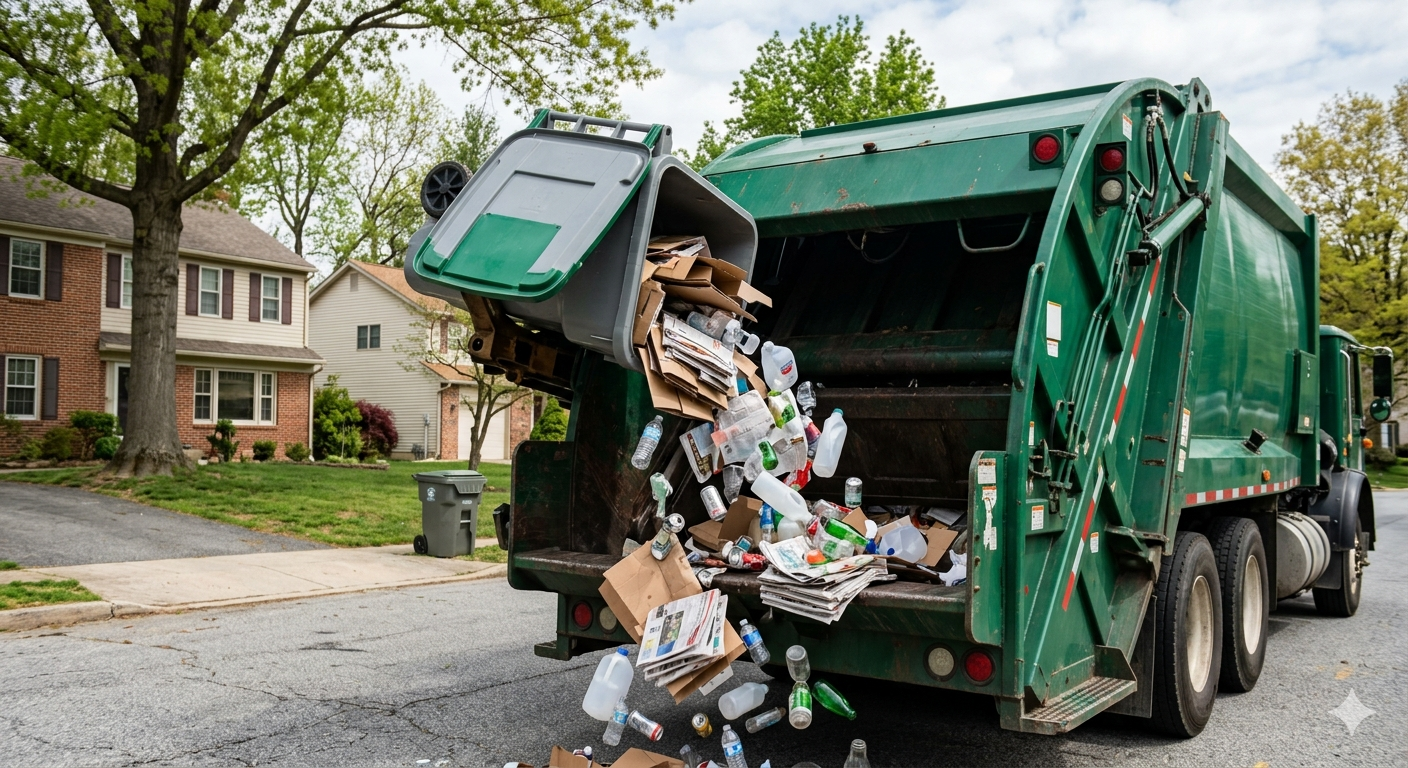
Single stream recycling—often called “fully commingled” recycling—is a system where all your paper, cardboard, plastic, and metal recyclables are placed into a single bin. There is no need for you to sort these items by type. Once collected, all these materials are transported to a Materials Recovery Facility (MRF), where advanced technology, sensors, and manual sorting separate the items so they can be processed and turned into new products.+2
For residents in PA and Delaware County, this system is designed to make recycling as simple as taking out the trash. By removing the barrier of manual sorting, participation rates increase, and more material is diverted from our local landfills.
The Dos of Single Stream Recycling
To make sure your recycling efforts actually count, you need to follow a few simple best practices. Keep these in mind to ensure your bin is truly “recycling-ready.”
- Empty, Clean, and Dry: This is the golden rule. Food residue and liquids are the primary causes of contamination. A single greasy pizza box or a half-full soda bottle can contaminate an entire batch of otherwise good recyclable material. Always rinse out containers and give them a quick shake to dry before tossing them in.+1
- Flatten Your Cardboard: Break down all shipping boxes and cereal boxes. This saves significant space in your bin and your collection truck, making the entire collection route more efficient.
- Keep It Loose: Never bag your recyclables. Unless specifically instructed otherwise by your local hauler, all items should be placed in the cart loose. Plastic bags are a major hazard at recycling facilities—they tangle in the sorting machinery, causing dangerous downtime and equipment damage.+2
- Check the Label: When in doubt, check your local guidelines. While most programs accept standard plastics (bottles and jugs), aluminum cans, and paper, some items that look like plastic might not be recyclable.
Common Don’ts: What to Keep Out of the Bin
Contamination is the enemy of an efficient recycling program. When non-recyclable items end up in your single stream bin, it creates a risk for workers and lowers the quality of the raw materials produced. Avoid placing the following in your cart:+1
- Plastic Bags and Film: As mentioned, these clog the machinery. Take your grocery bags to local store drop-off bins instead.+1
- Tanglers: Items like garden hoses, holiday lights, wire hangers, and ropes are “tanglers.” They wrap around rotating screens and belts, forcing workers to stop the line and cut them out by hand.
- Hazardous Waste: Never put batteries, light bulbs, chemical containers, or paint cans in your recycling. These items can cause fires or expose workers to toxic substances.
- Styrofoam: Polystyrene foam is rarely accepted in curbside programs. It breaks apart easily into tiny pieces that cannot be recovered.
- Diapers and Medical Waste: These are health hazards and belong strictly in the trash.
Making Recycling Work for You
In Eastern Pennsylvania and Delaware County, the success of our recycling infrastructure depends on resident participation. By following these guidelines, you ensure that the materials you put at the curb have the best chance of being repurposed into new, valuable goods.
Proper waste management doesn’t just help the planet; it helps keep our local communities cleaner and more efficient. Whether you are looking for reliable collection services or simply want to improve your household habits, staying informed is the first step. If you are ready to streamline your waste management and need professional support for your household or business, check out our comprehensive recycling solutions to see how we can assist you in maintaining a greener home and community.
Recycling is a team effort. When you prioritize clean, sorted, and compliant materials, you become a vital part of the circular economy right here in Pennsylvania.
Related Posts