Whether you are managing a busy construction site, clearing out an old estate, or handling…
Managing waste efficiently is a cornerstone of keeping any project, property, or business running smoothly. However, anyone searching for a waste management solution quickly realizes that not all dumpsters are created equal. The container you choose depends entirely on your specific environment, the type of debris you are throwing away, and how often you need it hauled away.
Navigating the world of waste disposal can be confusing, especially when deciding between commercial and residential dumpster rentals. While both serve the fundamental purpose of containing trash, they are designed for entirely different scales of operation, regulatory landscapes, and structural demands.
1. Primary Purpose and Usage
The most fundamental divide between commercial and residential dumpsters lies in how and where they are utilized.
Commercial Dumpsters
Commercial dumpsters are permanent fixtures designed for ongoing, daily waste generation. You see them behind restaurants, retail stores, apartment complexes, and office buildings. Businesses generate a predictable, continuous stream of trash—like packaging, food scraps, and office paper—that requires a reliable, long-term disposal system. When a business signs a contract for a commercial dumpster, the container stays on-site indefinitely, emptied on a set recurring schedule (such as weekly or bi-weekly).
Residential Dumpsters
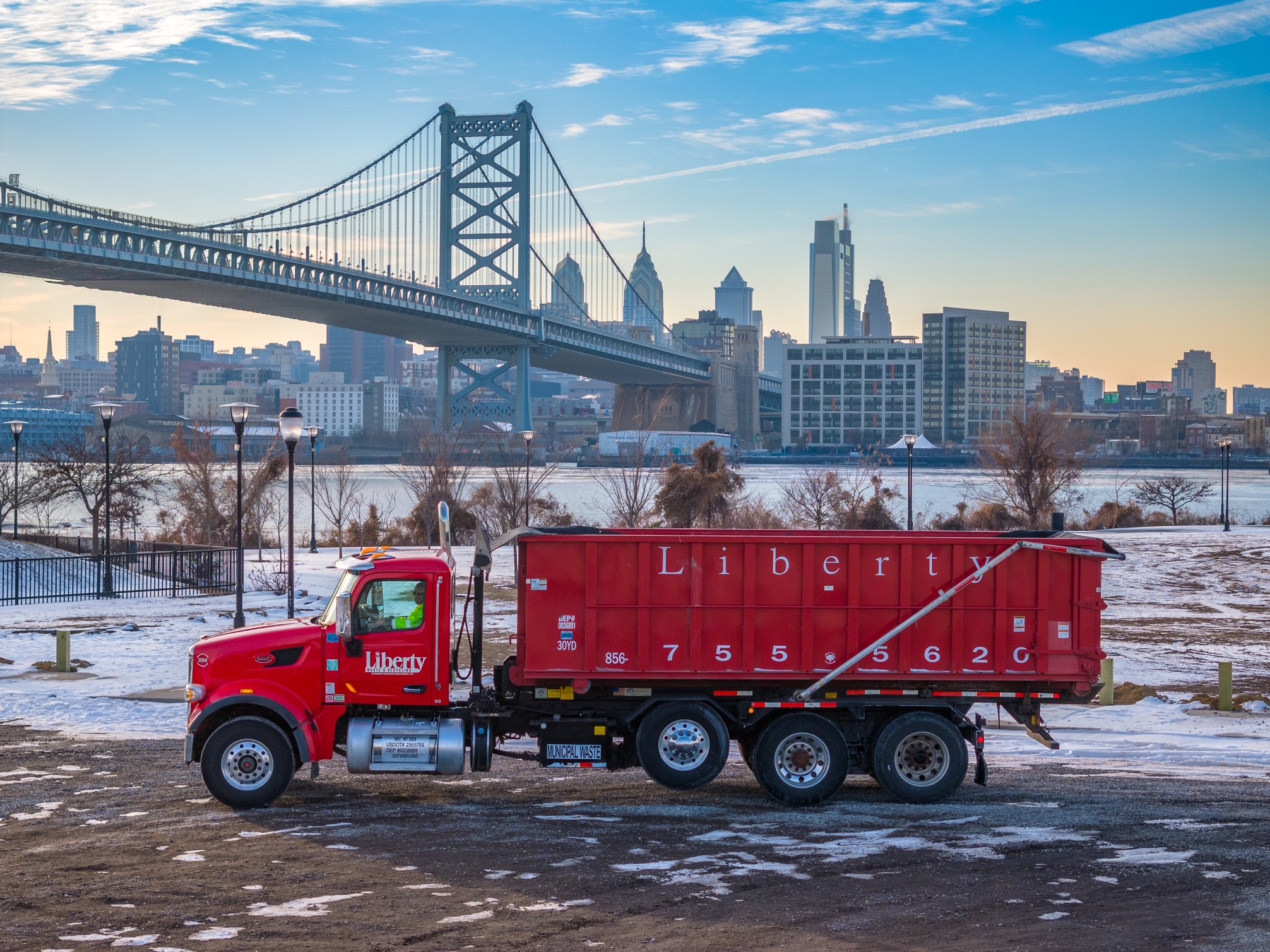
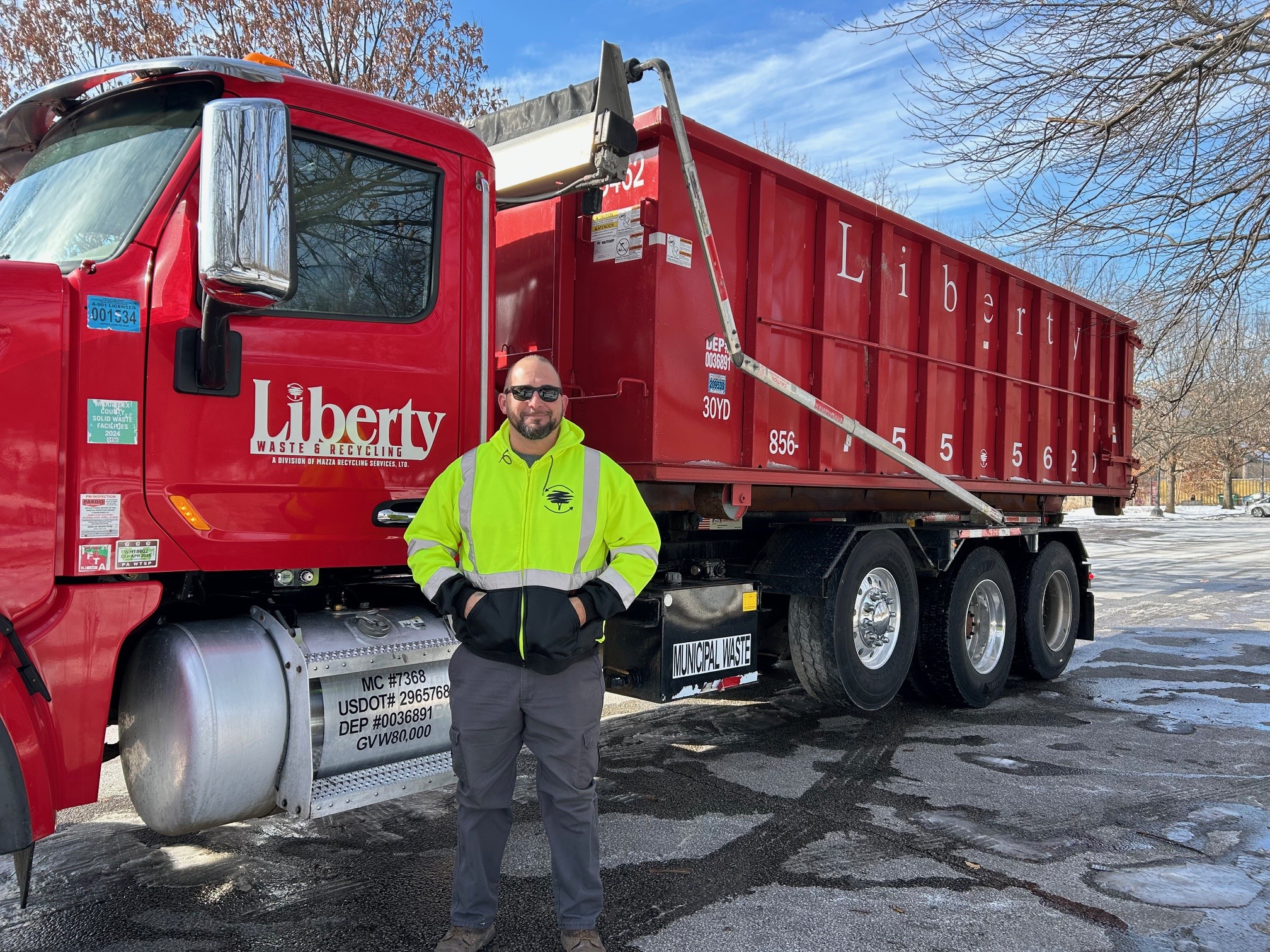
Residential dumpsters are temporary tools engineered for project-based waste. Homeowners, landlords, and residential contractors use them to manage large volumes of debris generated during a finite period. Common scenarios include remodeling a kitchen, cleaning out a cluttered basement, replacing a roof, or managing landscaping debris. Once the project wraps up, the dumpster is hauled away, and the property returns to using standard municipal trash bins.
2. Size, Capacity, and Measurement Units
Because their usage models differ, these two categories of dumpsters are measured and sized using completely different scales.
Commercial Sizes (Measured in Cubic Yards)
Commercial dumpsters are smaller in physical footprint but highly efficient for compact, dense daily waste. They typically range from 2 to 8 cubic yards:
- 2-Yard Dumpsters: Perfect for small offices or boutique retail shops with minimal daily trash.
- 4-Yard Dumpsters: Medium-sized options ideal for small restaurants or mid-sized commercial spaces.
- 6-Yard Dumpsters: Frequently used by larger grocery stores, crowded offices, or small apartment buildings.
- 8-Yard Dumpsters: The largest standard commercial size, designed for high-volume waste generators like large restaurants or warehouses.
Residential Sizes (Measured in Cubic Tons/Yards)
Residential roll-off dumpsters are significantly larger because they must hold bulky, irregular construction debris and furniture. They are measured in cubic yards of volume but are heavily constrained by weight limits (tons). Standard sizes range from 10 to 40 cubic yards:
- 10-Yard Dumpsters: Best for minor garage cleanouts or small bathroom renovations.
- 20-Yard Dumpsters: The sweet spot for medium remodeling projects, deck removals, or whole-house carpet replacements.
- 30-Yard Dumpsters: Used for major home additions, estate cleanouts, or large-scale window replacements.
- 40-Yard Dumpsters: Massive containers reserved for commercial-scale residential jobs, total home demolitions, or extensive roofing projects.
3. Structural Design and Mobility
A quick glance at the physical build of these dumpsters reveals distinct design choices tailored to their specific operational environments.
| Feature | Commercial Dumpsters | Residential Roll-Off Dumpsters |
|---|---|---|
| Shape | Boxy, tall, and compact | Long, rectangular, and low-walled |
| Lids | Permanent plastic or metal lids to deter pests and rain | Open-top design for easy loading of bulky items |
| Mobility | Often equipped with wheels (casters) for manual positioning | Dropped directly onto a surface via specialized roll-off trucks |
| Loading Mechanism | Emptied on-site via front-load or rear-load garbage trucks | Entire container is lifted onto a truck bed and hauled away |
Commercial bins feature heavy-duty lids to lock in odors and keep out wildlife, whereas residential roll-off dumpsters feature an open top and a massive swinging walk-in door at the back. This door allows users to carry heavy furniture, drywall, and heavy debris directly into the container rather than lifting it over the high side walls.
4. Rental Duration and Permanent vs. Temporary Setup
The financial and operational agreements behind these dumpsters mirror their usage styles.
Commercial dumpster rentals are governed by long-term service agreements. A business enters a contract establishing a fixed monthly fee, which covers the container rental and a predetermined collection schedule. It is a permanent utility, much like electricity or internet access.
Residential dumpster rentals operate on a short-term lease model. Homeowners typically rent a roll-off container for a period ranging from a few days to a couple of weeks. The rental fee is usually a flat rate that covers the drop-off, a specific time window, a set weight allowance, and the final pick-up and disposal fees.
5. Prohibited Materials and Weight Regulations
Both types of waste containers are subject to strict environmental laws, but the enforcement and risks vary based on the waste stream.
Landfill Restrictions
Neither dumpster type allows hazardous materials. Items like asbestos, wet paint, car batteries, motor oil, medical waste, and flammable chemicals are universally prohibited.
Material Separation
Residential dumpsters often face stricter local sorting rules depending on the project. For example, if you are tearing up a concrete driveway, landfills frequently require a “clean concrete” dumpster, meaning you cannot mix household trash or wood with the heavy concrete.
Weight Overages
Residential dumpsters are highly susceptible to weight overage fees. Heavy materials like shingles, dirt, plaster, and concrete add up quickly. If a residential container exceeds the weight limit outlined in the rental agreement, the customer faces per-ton overage penalties. Commercial dumpsters, while subject to weight limits, deal primarily with consistent, lighter household waste, making unexpected weight penalties rarer unless a business throws away heavy machinery or construction scraps.
6. Placement, Logistics, and Property Impact
Where you place a dumpster requires careful logistical planning, but the challenges differ based on the property type.
Commercial dumpsters require a dedicated, permanent space. This is usually a concrete pad shield by an enclosure (like a wooden or brick fence) to maintain the property’s aesthetic and prevent unauthorized public dumping. The placement must allow heavy front-loading trucks enough clearance to navigate turning radiuses and overhead wires safely.
Residential roll-off dumpsters present unique spatial challenges on private property. They are typically placed on driveways, lawns, or directly on the street. Because they are incredibly heavy—especially when fully loaded—they can crack aging concrete, asphalt, or damage underground sprinkler systems. Placing protective wooden boards beneath the dumpster’s rollers is a standard precaution to safeguard residential driveways. Furthermore, placing a residential dumpster on a public street frequently requires securing a temporary right-of-way permit from the local city or homeowner’s association (HOA).
Choosing the Right Waste Solution for Your Needs
Understanding these distinctions ensures you don’t overpay for a waste management system that doesn’t fit your scope. If you run a retail shop, a restaurant, or manage an office park, a compact commercial bin with a recurring collection schedule is an absolute necessity for daily hygiene and operational compliance.
On the flip side, if you are preparing to tackle a major home renovation, decluttering a multi-generation attic, or managing a construction site, a temporary roll-off container is the only logical choice to handle massive volume spikes efficiently.
For property owners and project managers looking for reliable, clear-cut waste disposal options, partnering with a transparent provider makes all the difference. You can streamline your next cleanup project by securing a dependable, hassle-free residential dumpster rental tailored precisely to your timeline and material needs, ensuring your property stays clutter-free without unexpected logistical headaches.
Ready to book your dumpster rental? Follow the link here: https://www.libwaste.com/dumpster-rentals/
Related Posts