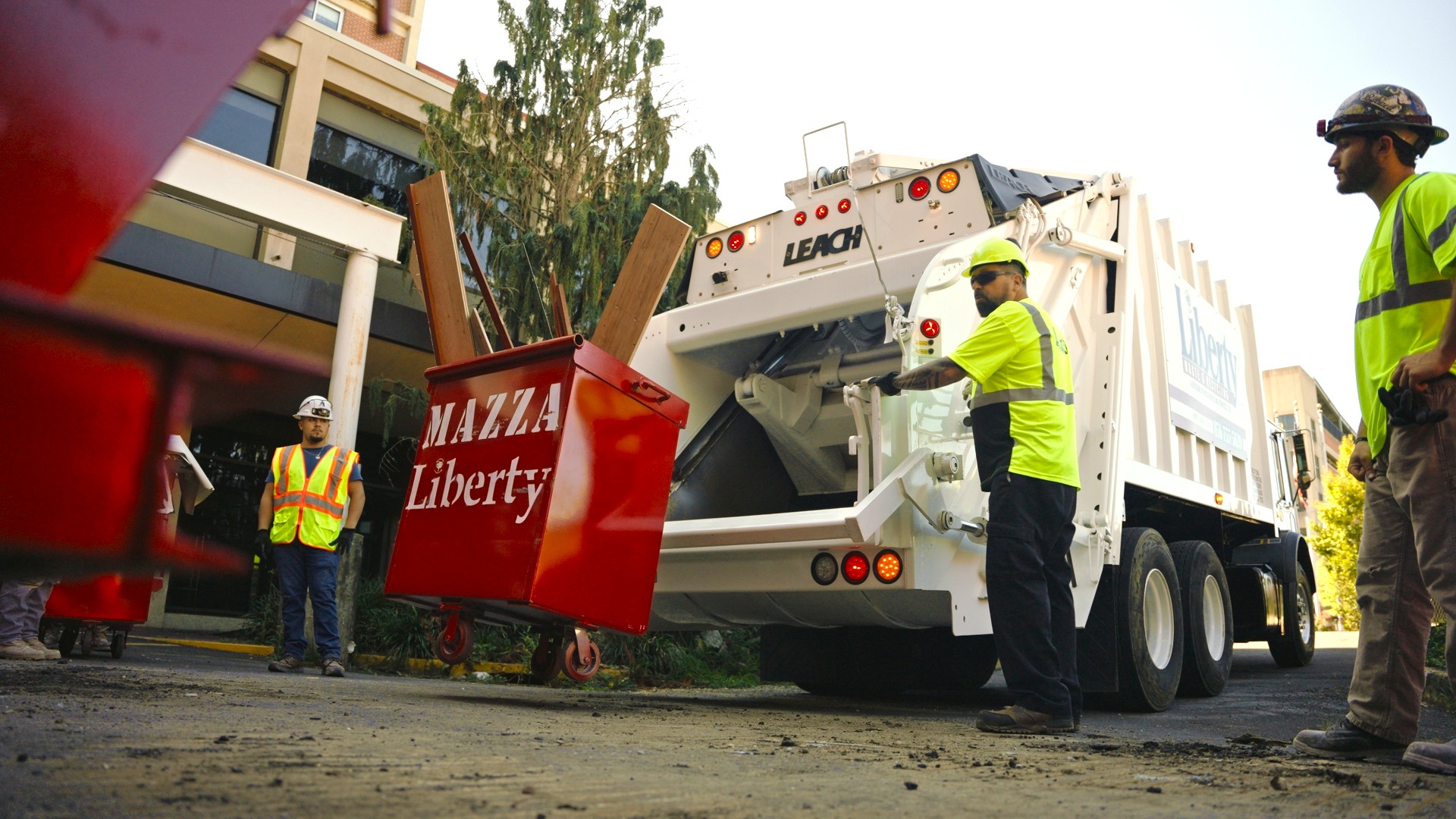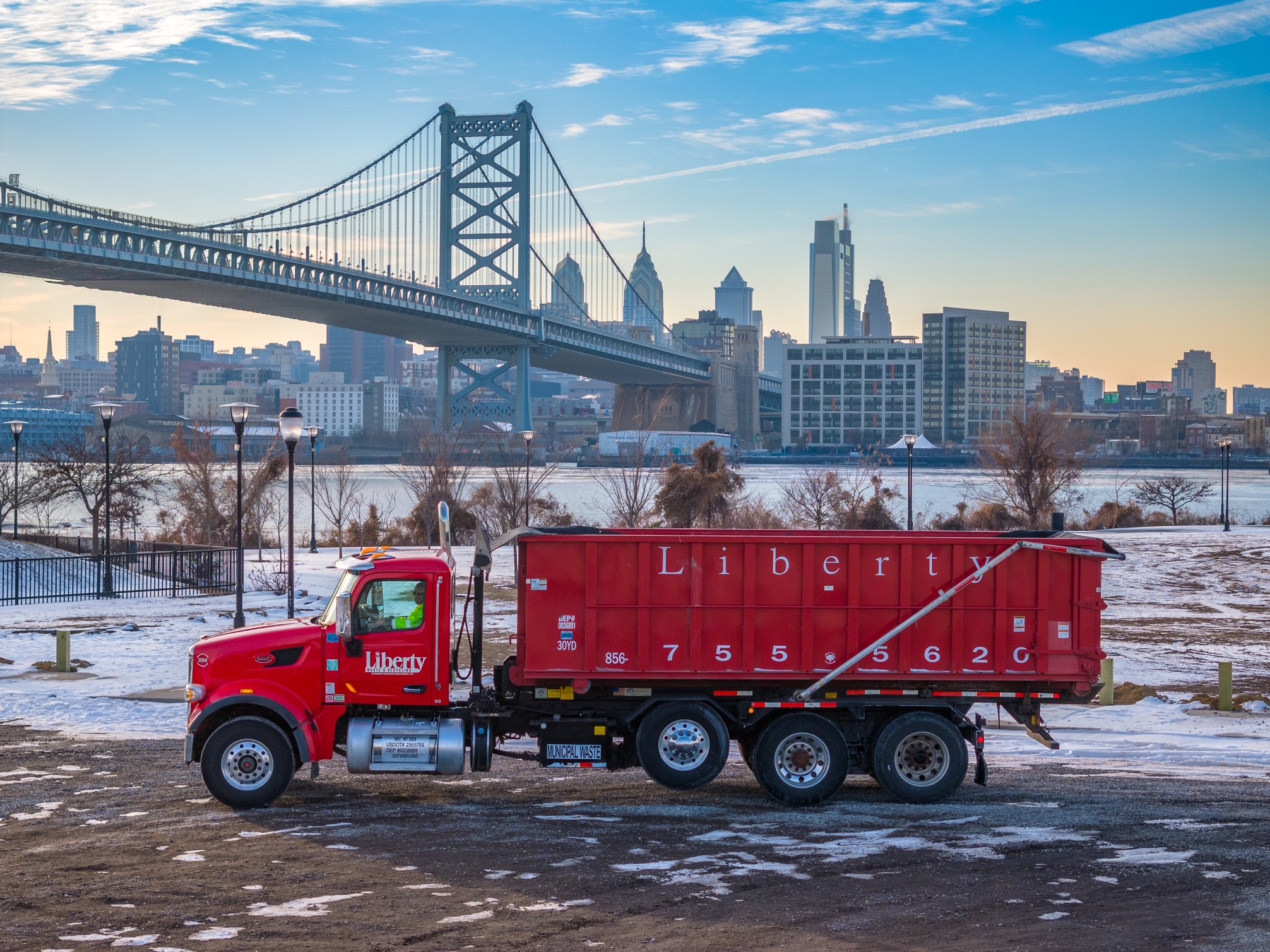
Managing job site debris on standard residential construction projects is relatively straightforward: order a traditional…
When you plan a home renovation, clear out a property, or oversee a commercial construction site, ordering a roll-off dumpster seems straightforward. You open a search engine, type in “dumpster rental near me,” and pick one of the top results offering a competitive rate.
However, many consumers and job site managers do not realize that the company taking their order often does not own a single dumpster, operate a haul truck, or manage a waste processing facility.
Instead, many online dumpster platforms are waste brokers—middlemen who take your booking, mark up the price, and pass the order along to a real local company to perform the actual work.
Understanding the differences between a direct hauler and a waste broker can help you avoid surprise fees, scheduling delays, and hidden expenses on your next project.
What Is a Direct Hauler?
A direct hauler is an asset-based, local waste management company. When you hire a direct hauler, you deal straight with the business that owns the equipment, employs the drivers, dispatches the trucks, and handles disposal.
┌─────────────────┐       Direct Service       ┌─────────────────┐
│                 │ ─────────────────────────> │ Local Facility  │
│    Customer     │                            │  & Fleet Owner  │
│                 │ <───────────────────────── │ (Direct Hauler) │
└─────────────────┘      Direct Support        └─────────────────┘
Key Operational Characteristics of Direct Haulers:
- Physical Infrastructure: They maintain a dedicated yard, dispatch center, and fleet of roll-off trucks.
- In-House Fleet & Equipment: They own and maintain roll-off containers ranging from 10-yard residential bins to 30-yard heavy debris containers.
- Local Operations & Facilities: They often operate local transfer stations or Material Recovery Facilities (MRFs) where waste is sorted, processed, and recycled.
- Direct Accountability: You speak directly with the team loading, delivering, and picking up your container.
What Is a Waste Broker?
A waste broker is a third-party sales intermediary. Brokers invest heavily in nationwide search engine marketing, set up polished web storefronts, and build nationwide call centers.
When a customer calls or books online through a broker, the broker accepts the payment, adds a profit margin, and calls a local direct hauler in the customer’s area to dispatch the container.
┌──────────┐    Sells Order (+ Markup)    ┌──────────────┐    Subcontracts Order    ┌──────────────┐
│ Customer │ ───────────────────────────> │ Waste Broker │ ───────────────────────> │ Local Hauler │
└──────────┘                              └──────────────┘                          └──────────────┘
While brokers market themselves as one-stop shops for nationwide waste management, their hands-off business model introduces an unnecessary layer between you and your service provider.
How Middlemen Add Hidden Costs to Dumpster Rentals
Working through an intermediary can quietly inflate your total bill. Here are the main ways waste brokers add expenses to dumpster rentals:
                  ┌─────────────────────────────────────────┐
                  │          BROKER PRICING STRUCTURE       │
                  ├─────────────────────────────────────────┤
                  │  Base Hauler Rate                       │
                  │  + Broker Commission Markup             │
                  │  + Call Center Overhead                 │
                  │  + Hidden Overage / Admin Fees          │
                  └─────────────────────────────────────────┘
                                       ▼
                  ┌─────────────────────────────────────────┐
                  │       TOTAL COST TO CUSTOMER (HIGHER)   │
                  └─────────────────────────────────────────┘
1. Embedded Broker Commissions and Price Markups
Brokers operate on sales margins. To make a profit, they must charge more than the local hauler’s standard rate or force the local hauler to discount their rates heavily—which often leads to secondary fees passed along to you.
2. Lack of Visibility on Weight Limits and Tonnage Fees
Local municipal waste disposal fees are assessed by weight (tonnage). Direct haulers outline included tonnage allowances clearly based on localized landfill and recycling transfer station rates.
Brokers, operating from out-of-state call centers, often sell standardized “flat rate” packages with unrealistically low weight limits. Once your heavy construction debris or masonry is processed, the broker passes along steep overage penalties that exceed standard local tipping fees.
3. Change Order and Cancellation Penalties
If your project schedule shifts and you need to extend your rental period, swap out a full container, or alter a delivery time, doing so through a broker requires passing messages through multiple call center representatives. Brokers frequently charge processing or administrative fees for simple schedule modifications that a direct local dispatcher handles routinely.
4. Communication Disconnects That Lead to Dry Run Fees
If a delivery truck arrives at a job site and cannot place the dumpster due to low-hanging trees, parked cars, or gate access restrictions, a direct driver will attempt to call you immediately to resolve the issue.
When dealing with a broker, drivers usually cannot reach you directly because contact details are routed through a broker portal. If the driver cannot drop the container, you may be charged a costly “dry run” or trip fee before the broker reaches out to explain the delay.
The Operational Advantages of Cutting Out the Middleman
Beyond pricing clarity, choosing a direct hauler delivers noticeable operational benefits:
DIRECT HAULER BENEFIT COMPARISON
┌───────────────────────┬───────────────────────────┬───────────────────────────┐
│ Feature               │ Direct Hauler             │ Waste Broker              │
├───────────────────────┼───────────────────────────┼───────────────────────────┤
│ Fleet Ownership       │ Direct Fleet & Bins       │ None (Subcontracted)      │
│ Scheduling Speed      │ Same-Day / Next-Day       │ Subject to Availability   │
│ Customer Support      │ Local Dispatchers         │ Out-of-State Call Center  │
│ Pricing Transparency  │ Clear Local Tonnage Rates │ Tiered Broker Markups     │
│ Environmental Control │ Direct Recycling (MRF)    │ Variable / Uncontrolled   │
└───────────────────────┴───────────────────────────┴───────────────────────────┘
Same-Day Delivery and Dynamic Dispatch
Direct haulers maintain real-time GPS tracking across their fleet and manage container inventory directly. If an urgent project demands a same-day roll-off or a rapid container swap, a direct dispatcher can adjust driver routes immediately. A broker must send requests down a chain of third parties, resulting in longer turnarounds.
Direct Support from Local Dispatchers
When you call a direct hauler, you talk to local team members who understand regional roads, municipal permitting laws, overhead clearance challenges, and property requirements. They can quickly advise on whether a 10-yard, 20-yard, or 30-yard dumpster best suits your site without upsells.
Eco-Friendly Waste Diversion and Recycling
Modern waste disposal requires a focus on sustainability. Asset-based waste management firms often operate dedicated recycling and recovery facilities.
When your waste goes directly to a direct hauler’s state-permitted facility, materials like concrete, scrap metal, lumber, tires, and cardboard are sorted, diverted from landfills, and repurposed into reusable resources. Brokers rarely track where your waste ends up once a third-party subcontractor collects it.
Regional Service Coverage: Serving Communities Across New Jersey
For homeowners, businesses, and contractors operating in New Jersey, choosing an established direct hauler ensures reliable access to waste removal services backed by local processing infrastructure.
Comprehensive service coverage spans key regions across Central and Southern New Jersey:
                     NEW JERSEY DIRECT SERVICE COVERAGE

      [ Central / Shore Region ]           [ Southern / Delaware Valley ]
      ──────────────────────────           ─────────────────────────────
      • Monmouth County               • Burlington County
      • Ocean County                  • Mercer County
      • Middlesex County             • Camden County
                                           • Gloucester County
                                           • Salem County
                                           • Cumberland County
Central New Jersey & Shore Communities
Direct haul coverage reaches municipalities across Monmouth, Ocean, and Middlesex Counties, providing dumpster rentals, bulk waste management, and single-stream recycling for coastal and inland projects alike:
- Monmouth County: Aberdeen, Asbury Park, Belmar, Colts Neck, Eatontown, Freehold, Holmdel, Howell, Long Branch, Middletown, Monmouth Beach, Ocean Township, Red Bank, Wall, and surrounding areas.
- Ocean County & Middlesex County: Complete roll-off container delivery, site cleanout disposal, and recycling services for residential neighborhoods, retail centers, and industrial construction sites.
Expanded Reach in Southern New Jersey
Through expanded operations and infrastructure, direct waste hauling and bulk waste disposal cover communities across Southern New Jersey:
- Burlington County & Mercer County: Comprehensive dumpster service for home cleanouts, commercial renovations, and municipal projects.
- Camden, Gloucester, Salem, and Cumberland Counties: Direct roll-off containers, bulk waste collection, and material handling tailored to contractor and commercial business schedules.
Working with a hauler equipped with regional facilities—including a 47,000-square-foot recovery station processing up to 1,100 tons of debris daily—ensures your waste is managed responsibly, efficiently, and in compliance with state regulations.
How to Identify a Direct Hauler Before You Rent
To ensure you deal directly with an asset-backed company and avoid middleman markups, look for these indicators before providing payment details:
- Verify Physical Facility Addresses: Check for a verified local address housing physical operations, truck parking, or recycling processing infrastructure rather than a generic P.O. box or nationwide address.
- Ask About Equipment Ownership: Confirm that the company owns its branded trucks and roll-off containers rather than contracting out deliveries to local third parties.
- Check Scale and Tonnage Policies: Direct haulers utilize state-certified scales at local facilities and explain weight restrictions clearly upfront.
- Look for Local Phone Numbers: Speak with local dispatch staff who know your neighborhood, traffic conditions, and local dump regulations.
For transparent pricing, local customer support, and sustainable waste recovery, skipping the broker saves time and money. You can secure reliable roll-off containers directly from an established waste management company in NJ to keep your next cleanup or job site on schedule and on budget.
Related Posts